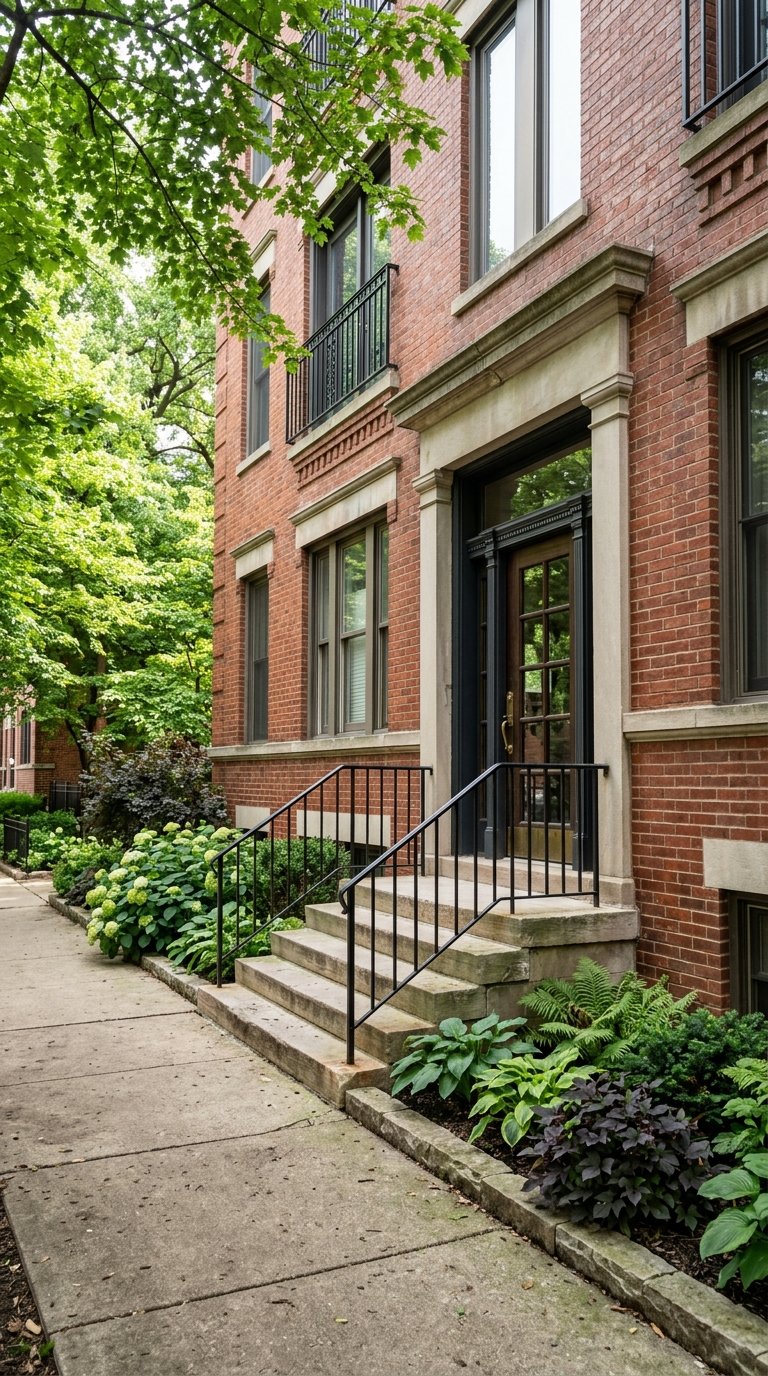
If you want an easier trip into Chicago without giving up a lively neighborhood feel, Oak Park deserves a close look. Many buyers are trying to balance commute time, home options, and day-to-day convenience, and that can feel like a lot to sort through. The good news is that Oak Park offers a strong mix of transit access, varied housing, and a walkable local lifestyle. Let’s dive in.
Why Oak Park works for commuters
Oak Park sits less than 10 miles west of downtown Chicago, which helps explain its long-standing appeal for people who want close city access with a more residential setting. The village covers 4.7 square miles and had an estimated 52,823 residents in 2025, giving it a compact, active feel rather than a spread-out suburban one.
The village describes Oak Park as a place with a distinctive urban and suburban lifestyle, supported by transit access, business districts, tree-lined streets, and cultural attractions. For you as a buyer or renter, that means your daily routine can feel connected and convenient without depending on one single mode of getting around.
Transit options in Oak Park
Oak Park stands out because it gives you more than one rail choice. The village is served by CTA Blue and Green Line stations, and Metra also serves the community on the Union Pacific West line.
That variety matters if your schedule changes or you want flexibility in how you commute. Instead of shaping your entire home search around one station, you can think more broadly about how you want to live day to day.
CTA Green Line access
CTA’s Green Line includes Oak Park and Ridgeland stations within the village. If you want a transit-oriented lifestyle, these stations can make it easier to stay connected to both local districts and the broader Chicago rail system.
The Hemingway District is especially notable here because it sits steps from the Oak Park Green Line station. That creates the kind of walk-to-train setup many city commuters are looking for when they move west.
CTA Blue Line access
Oak Park also has CTA Blue Line service through the Austin station. Having Blue Line access in the village gives commuters another route into the city and another option when comparing homes by location and convenience.
For many buyers, multiple rail choices can reduce some of the pressure that comes with a strict commute window. It can also make Oak Park feel more adaptable if your work location or schedule shifts over time.
Metra service for regional commuters
Metra’s Oak Park station is located at 1115 W. North Blvd. The station is accessible, sits in fare zone 2, and connects with CTA and Pace service.
That added regional connection can be useful if you want a commuter rail option in addition to CTA service. It also strengthens Oak Park’s position as a practical choice for people whose travel patterns are not exactly the same every day.
What the commute feels like
According to the local tourism bureau, CTA city trains can take about 20 to 30 minutes on the Green or Blue Line, and they run frequently all day and into the night. That short-ride context is a big part of Oak Park’s appeal for people who want to stay close to Chicago’s energy.
Census data also estimates that Oak Park workers have a mean travel time to work of 31.6 minutes across all commute modes. While that figure is not rail-only, it supports the idea that Oak Park functions well as a commuter suburb.
Housing choices for different buyers
A major reason Oak Park appeals to city commuters is that the housing stock is not one-note. Whether you want a detached home, a condo, or a smaller multi-unit building, the village offers a broader range of options than many suburbs.
DePaul University’s Institute for Housing Studies reports that Oak Park’s 2024 housing stock was 40.4% single-family homes, 19.2% condominiums, 8.3% buildings with 2 to 4 units, and 32.0% buildings with 5 or more units. That mix supports different budgets, life stages, and living preferences.
Single-family homes
If you want more interior space or a more traditional house layout, Oak Park has a meaningful single-family housing presence. At 40.4% of the housing stock, detached homes remain a major part of the village’s residential identity.
For many buyers, this is where Oak Park bridges the gap between city and suburb. You can look for a house while still staying in a community with strong transit and walkable districts.
Condos and multi-unit living
Condominiums make up 19.2% of the local housing stock, while buildings with 2 to 4 units account for 8.3% and buildings with 5 or more units account for 32.0%. That gives you real alternatives if you prefer lower-maintenance living or a building type that feels more urban.
For first-time buyers in particular, this mix can open up more ways to enter the market. It also helps people relocating from Chicago find a housing style that may feel familiar.
Ownership, value, and affordability context
Census data shows Oak Park’s owner-occupied housing rate is 60.0%. The 2020 to 2024 median owner-occupied home value was $465,500, median monthly owner costs were $3,202 with a mortgage, and median gross rent was $1,593.
The village also cites a 2023 IHDA analysis showing 5,341 affordable units, or 23.4% of all housing. For you, these figures help frame Oak Park as a market with both established value and a meaningful range of housing options.
What older housing stock means
Oak Park’s homes are often part of its appeal, but the village’s housing character also means many properties are older. That can bring architectural detail, mature streetscapes, and strong neighborhood identity, but it can also mean you should pay close attention to condition and upkeep when you shop.
The village’s code-compliance program annually inspects the exteriors of single-family, two-flat, and three-flat residences. Oak Park also has a significant preservation framework, with three historic districts, more than 70 locally designated landmarks, 11 buildings and one park on the National Register, and one building on the UNESCO World Heritage List.
For buyers, that combination suggests a community that takes maintenance and preservation seriously. It also means local character is not accidental. It is an active part of how the village manages its built environment.
Walkable districts that support daily life
Commuting is only one part of the decision. Many people considering Oak Park also want to know whether daily life feels easy once they are home.
That is where the village’s business districts add real value. Instead of a place where you only sleep between trips downtown, Oak Park offers several local areas where you can shop, dine, and spend time close to home.
Downtown Oak Park
Downtown Oak Park is the village’s central commercial district, about 10 miles west of Chicago’s Loop. It includes restaurants, the historic Lake Theatre, professional and personal services, year-round events, parking, and easy public-transit access.
For commuters, that means your local errands and weekend plans can stay close by. It also gives the area a more active, mixed-use feel than a purely residential suburb.
Hemingway District
The Hemingway District is described by the village as a transit-oriented business district made for strolling and biking. It includes specialty shops, restaurants, and services just steps from the CTA Green Line Oak Park station.
That mix is especially attractive if you want a neighborhood where the train, coffee stop, and daily basics can fit into the same small radius. It is one of the clearest examples of Oak Park’s commuter-friendly lifestyle in practice.
Oak Park Arts District
The Oak Park Arts District runs along a half-mile stretch of Harrison Street from Austin Boulevard to Ridgeland Avenue. The district includes galleries, art-supply stores, resale shops, music stores, and coffeehouses.
If local character matters to you, this helps Oak Park feel more layered and interesting. It is not just convenient. It also has a strong sense of place.
Walking and biking around Oak Park
Oak Park supports an active transportation lifestyle in ways that go beyond rail. The village highlights tree-lined streets and more than 18,000 parkway trees, which add to the everyday appeal of walking through the community.
The village also has a long tradition of encouraging safe cycling. It was named a Bicycle Friendly Community in 2015, updated its Bike Plan in 2025, and offers covered bike parking near the intermodal CTA and Union Pacific station.
The Bike Plan emphasizes low-stress neighborhood greenways, safer crossings, and links to transit hubs, local businesses, and other daily destinations. If you like the idea of combining walking, biking, and rail in your routine, Oak Park gives you a stronger foundation for that than many suburbs do.
Culture and architecture add staying power
Oak Park’s commuter story is not just about getting in and out of Chicago. It is also about living in a place with a clear identity.
The village is known internationally for architecture, including Queen Anne, Prairie School, and Colonial Revival styles. It also says Oak Park has the largest concentration of Prairie School architecture in America, including 25 designs by Frank Lloyd Wright.
The Frank Lloyd Wright Trust adds that Oak Park was where Wright developed a major part of his practice, and that the surrounding historic district has the greatest number of Wright-designed residences worldwide. That kind of architectural presence gives the village a sense of depth that many buyers value.
Oak Park also has a literary legacy. The Ernest Hemingway Birthplace Museum is a Queen Anne home built in 1890, and the Hemingway Foundation says Hemingway was born there on July 21, 1899.
For you as a buyer, cultural identity may not drive the entire decision, but it can shape how a place feels over time. In Oak Park, the architecture and local history help turn convenience into something more memorable.
Is Oak Park a good fit for you?
Oak Park is especially compelling if you want three things at once: direct rail access, a range of housing options, and a walkable local lifestyle. It gives you CTA and Metra access, varied home types, and business districts that support daily routines beyond the commute.
It may be a strong fit if you want to stay connected to Chicago while living in a village with established character and a more residential pace. It can also work well if you value flexibility, since the mix of housing and transit options gives you more than one way to make the move fit your needs.
If you are comparing Oak Park with other western suburbs, the details matter. The right block, housing type, and commute setup can make a big difference in how the move feels long term. For personalized guidance on Oak Park homes, condos, rentals, and relocation options, connect with AC Diamond Homes LLC.
FAQs
What transit options do Oak Park commuters have?
- Oak Park has CTA Green Line stations at Oak Park and Ridgeland, CTA Blue Line service at Austin, and Metra service on the Union Pacific West line at the Oak Park station on North Boulevard.
What is the commute from Oak Park to Chicago like?
- Local tourism information says CTA trains can take about 20 to 30 minutes on the Green or Blue Line, and Census data estimates Oak Park workers have a mean travel time to work of 31.6 minutes across all commute modes.
What kinds of homes can you find in Oak Park?
- Oak Park has a broad housing mix, including 40.4% single-family homes, 19.2% condominiums, 8.3% buildings with 2 to 4 units, and 32.0% buildings with 5 or more units.
What is the housing cost picture in Oak Park?
- Census data shows a median owner-occupied home value of $465,500, median monthly owner costs of $3,202 with a mortgage, and median gross rent of $1,593.
What makes Oak Park appealing beyond the commute?
- Oak Park combines walkable business districts, biking and pedestrian infrastructure, tree-lined streets, and a strong architectural and cultural identity shaped by historic districts, Frank Lloyd Wright sites, and the Ernest Hemingway Birthplace Museum.