Buying in Hinsdale can feel exciting and intimidating at the same time. This is a well-known western suburb with a compact layout, a strong sense of place, and home prices that can vary widely depending on what and where you buy. If you want a clearer picture of Hinsdale neighborhoods, budgets, and day-to-day lifestyle, this guide will help you focus on what matters most before you make a move. Let’s dive in.
Why Hinsdale Stands Out
Hinsdale is about 20 miles west of Chicago and covers just 4.86 square miles, with a population of roughly 17,705. It is a mature, built-out community, which means much of its character is already established rather than being shaped by large new subdivisions. That matters when you are trying to predict how a home, street, or area may feel over time.
The village is also defined by a few major physical features. Local planning documents point to Ogden Avenue, the BNSF railroad corridor, and 55th Street as key east-west corridors, with I-294 and Route 83 forming important regional access points. In practical terms, that gives you a suburb with both local identity and strong connections to the broader Chicagoland area.
What Budget To Expect In Hinsdale
If you are starting your home search in Hinsdale, the first thing to understand is that this is not a one-price market. The local data shows a wide gap between attached and detached housing, which can shape your options right away. Your budget will likely determine not just the home type, but also the pace and strategy of your search.
According to MRED’s trailing 12-month data through April 2026, the median sales price was $1,475,000 for detached single-family homes and $580,000 for attached homes. Detached homes averaged 35 days on market and sold at 98.5% of original list price, while attached homes averaged 71 days on market and sold at 96.7% of original list price. Because Hinsdale has a smaller housing pool, trailing 12-month numbers are the most reliable way to set expectations.
Budget Tiers To Think About
A simple way to frame the market is to think in tiers:
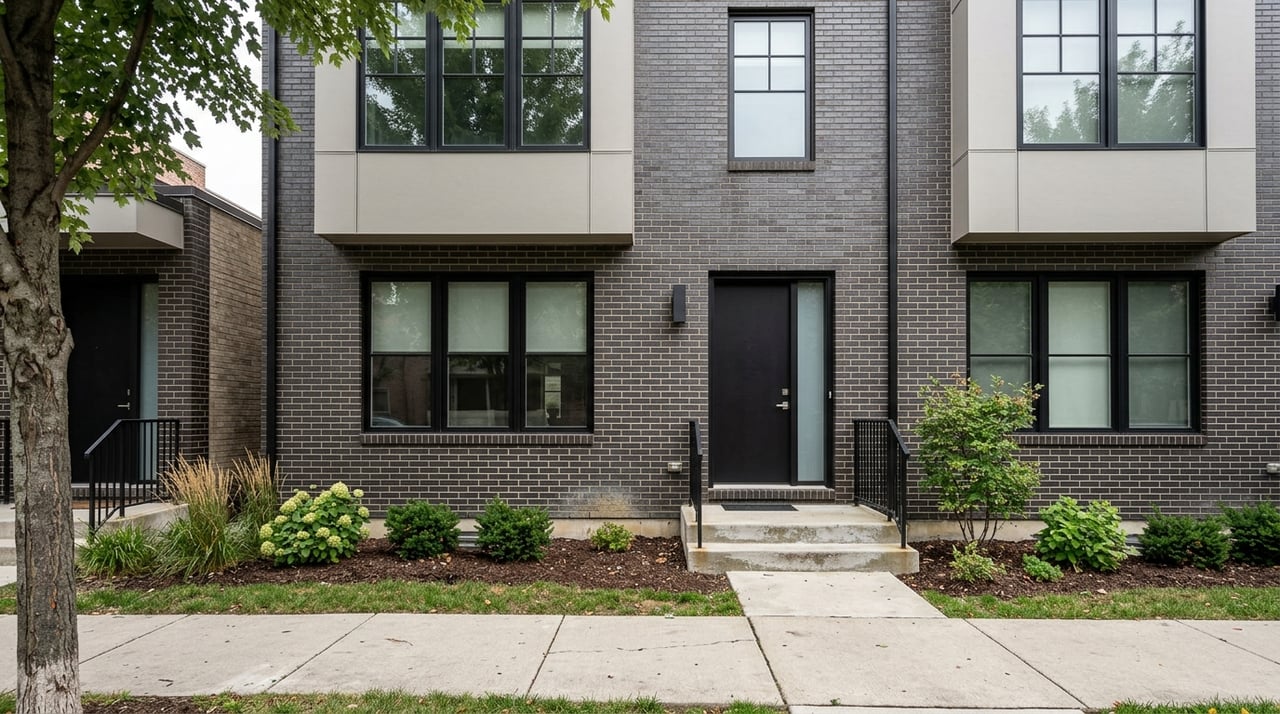
- Attached homes may be the more realistic starting point if you want to enter Hinsdale at a lower price point.
- Detached homes usually require a seven-figure budget.
- Better-located or more updated detached homes may bring stronger competition.
This does not mean every buyer needs the same strategy. It means your search will work better if you match your budget to the part of the market you are actually targeting from day one.
How To Think About Hinsdale Neighborhoods
For buyers, the most useful way to understand Hinsdale is through the village’s planning areas, not informal micro-neighborhood labels. Local planning documents highlight Downtown, Northtown, and the Ogden Avenue corridor as especially important lenses. That gives you a more accurate way to compare location, housing stock, traffic patterns, and lifestyle.
Another key distinction is between the pre-1930 historic core and the areas developed after World War II. The older core was built at a scale that allowed people to walk to trains, parks, civic buildings, the library, and other everyday destinations. Outside the core, development patterns tend to include more curving streets, cul-de-sacs, and much of the village’s multi-family housing.
Downtown And The Historic Core
Downtown Hinsdale is central to the village’s identity. It is described by the village as a shopping and dining destination, and the Downtown Hinsdale Historic District is listed on the National Register of Historic Places. If you value a setting with established character and proximity to daily conveniences, this area is likely to stand out.
The core is especially appealing for buyers who want a more walkable routine. Local documents note that the early development pattern allowed residents to reach schools, parks, Village Hall, the library, and train service on foot. That kind of layout is a meaningful lifestyle feature in a suburban market.
Northtown
North of the railroad tracks, Northtown is treated as its own planning area. The village specifically identifies it as a place where a more cohesive shopping, working, and living district is important. For a buyer, that suggests an area with a distinct role in the community rather than just an extension of downtown.
If you are comparing locations within Hinsdale, Northtown is worth viewing through a practical lens. Think about access, street feel, nearby services, and how the area fits your daily routine. It may offer a different experience from the historic core even though it is part of the same village.
Ogden Avenue Corridor
The Ogden Avenue corridor is another important lens because the village treats it as a separate redevelopment and traffic-management issue. That makes it different from areas defined more by historic character or civic walkability. For buyers, this means location decisions here should include extra attention to road exposure, access patterns, and long-term context.
This does not make the corridor better or worse. It simply means your decision should be grounded in how you want to live and what kind of setting feels right for you. In a compact suburb like Hinsdale, those tradeoffs can matter a lot.
What Homes Look Like In Hinsdale
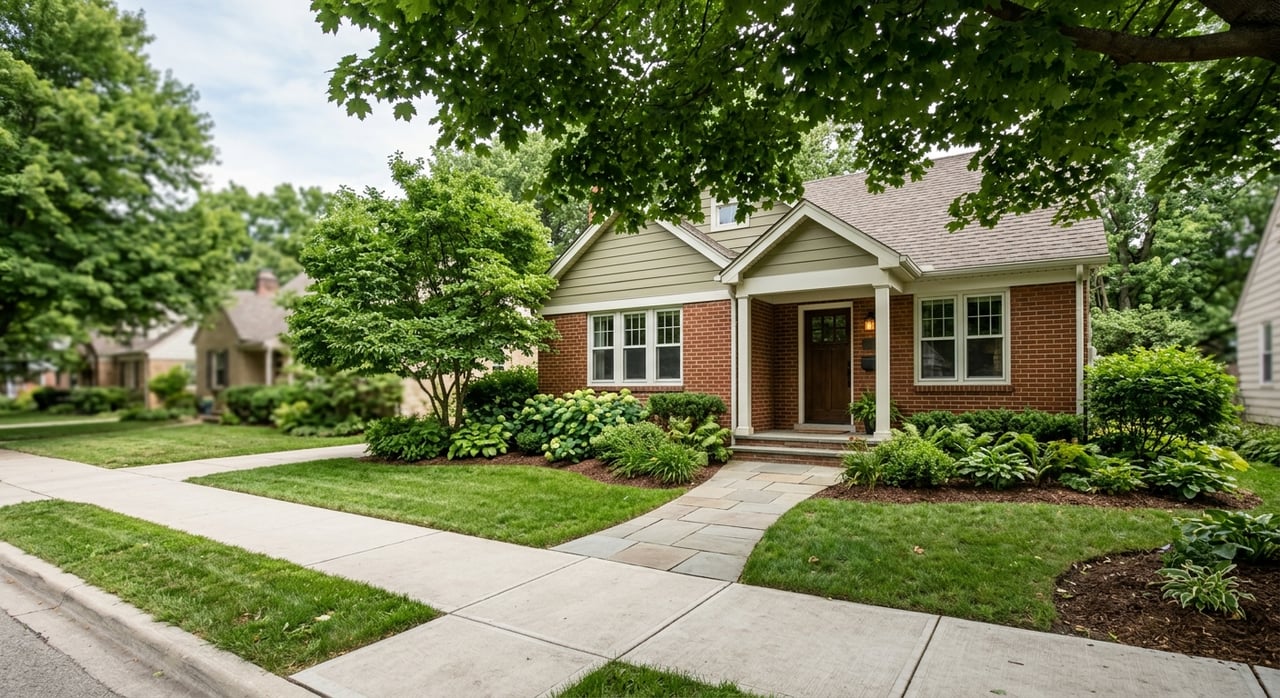
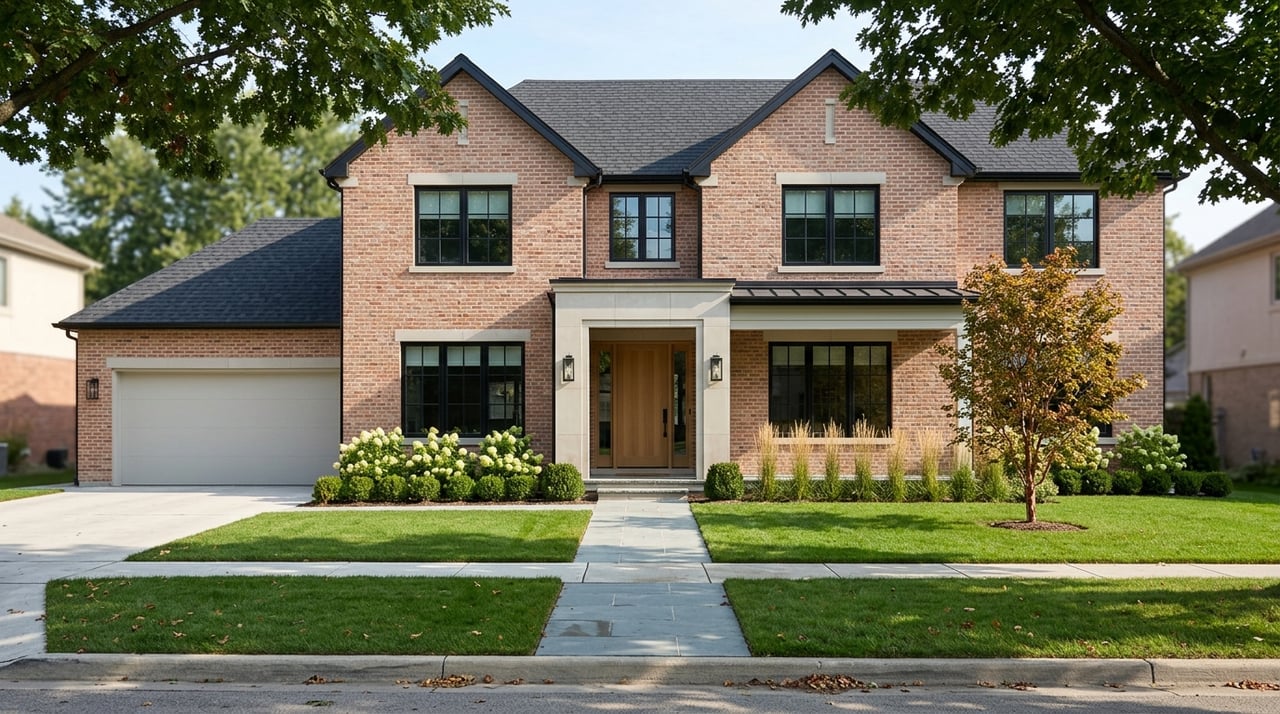
Hinsdale does not offer one uniform architectural style. Instead, buyers will see a mix of older brick homes, historic revival styles, and later housing forms depending on the area. That variety is part of what gives the village its identity.
Local historical sources point to styles such as Queen Anne, Colonial Revival, Georgian, Tudor, and Cotswold. Village planning materials also highlight downtown brick and terra cotta buildings, along with a strong preservation ethic. If architectural character matters to you, Hinsdale gives you more visual range than many suburbs with more uniform development.
Why Preservation Matters Here
The Hinsdale Historical Society’s architecture work and plaque program reflect how important preservation is to the village. That does not mean every home is historic, but it does mean the community places real value on architectural identity. As a buyer, that can shape both the look of the housing stock and the feel of the streetscape.
When touring homes, it helps to notice not just square footage and finishes, but also how the home fits into its setting. In Hinsdale, character and context often play a bigger role than they do in newer, more standardized suburban markets.
Lifestyle In Hinsdale
Lifestyle is one of the biggest reasons buyers consider Hinsdale in the first place. The village’s downtown core anchors many everyday amenities, which can make routines feel more connected and convenient. That is especially true if you want access to civic spaces, local services, and rail transit in one concentrated area.
The Hinsdale Public Library, located at 20 E Maple St, is one example of that daily-life convenience. It offers long hours, digital resources, meeting rooms, museum passes, and frequent programs. The resident guide also places the library, post office, Village Hall, and other services close to the railroad corridor, reinforcing how much community life centers around the core.
Schools As A Buying Consideration
For many buyers, schools are part of the decision-making process. Community Consolidated School District 181 reports more than 3,600 enrolled students and a 14:1 student-teacher ratio, and lists schools including Hinsdale Middle, Clarendon Hills Middle, and elementary schools such as Oak and Walker. Hinsdale Township High School District 86 lists Hinsdale Central High School, Hinsdale South High School, and the Hinsdale Transition Center.
If schools are important to your move, it is worth confirming school assignment and enrollment details directly during your search. In a market like Hinsdale, those details can be part of how you narrow locations and compare homes.
Commuting And Getting Around
Commuting is another major reason people look at Hinsdale. The village is served by Metra’s BNSF line, with three stations in the village: Hinsdale, West Hinsdale, and Highlands. That rail access is one of the suburb’s strongest practical advantages for buyers who want a direct connection to the broader region.
By car, the village fact sheet notes access via I-294, I-55, and Route 83. For many households, that mix of rail and highway options creates more flexibility in daily travel. If your work, family, or lifestyle needs take you in different directions across the metro area, that matters.
A Smart Way To Narrow Your Search
Because Hinsdale is not a single, uniform market, your home search should start with priorities, not just listings. A buyer looking for walkability near the historic core may end up with a very different short list than someone focused on an attached home at a lower entry point or a detached home with more space. The key is to build your search around the life you want to live there.
It often helps to rank your must-haves in this order:
- Budget and home type
- Location within the village
- Commute needs
- Lifestyle preferences
- Architectural style and condition
That order keeps the search realistic while still leaving room for the features you care about most. In a village with a clear price ladder and distinct planning areas, that kind of structure can save you time and reduce frustration.
Final Thoughts On Buying In Hinsdale
Hinsdale offers a mix of historic character, practical commuter access, and a lifestyle centered around a compact, established village core. It also asks buyers to be realistic about budget, especially if detached homes are part of the plan. The good news is that once you understand the difference between the historic core, Northtown, the Ogden corridor, and the attached versus detached price gap, the market becomes much easier to navigate.
If you want help comparing areas, setting a realistic budget, or finding the right fit in Hinsdale and nearby western suburbs, AC Diamond Homes LLC can help you move forward with clear advice, responsive guidance, and local insight.
FAQs
What is the typical home price in Hinsdale, IL?
- MRED trailing 12-month data through April 2026 shows a median sales price of $1,475,000 for detached homes and $580,000 for attached homes in Hinsdale.
What parts of Hinsdale should home buyers compare?
- A practical way to compare Hinsdale is by looking at the historic downtown core, Northtown north of the tracks, and the Ogden Avenue corridor, since each offers a different setting and lifestyle feel.
What is daily life like in Hinsdale, IL?
- Daily life in Hinsdale is strongly centered around the downtown core, where civic amenities such as the library, Village Hall, and other services are located near the railroad corridor.
How do commuters get to and from Hinsdale?
- Hinsdale has Metra BNSF service with three village stations, plus regional car access via I-294, I-55, and Route 83.
Are attached homes a good entry point in Hinsdale?
- Based on local median price data, attached homes are generally the more realistic entry point for buyers who want to access the Hinsdale market at a lower price than detached single-family homes.