If you are torn between a polished new build and a classic older home in Elmhurst, you are not alone. In a market where homes often draw multiple offers and buyers are weighing both lifestyle and long-term value, this choice can feel personal and high-stakes at the same time. The good news is that Elmhurst offers strong options on both sides, and the right fit usually comes down to how you live, what projects you want to take on, and what kind of home experience matters most to you. Let’s dive in.
Why This Choice Matters in Elmhurst
Elmhurst is not a one-style housing market. The city has a strong base of older single-family homes, and the local housing mix still reflects that history. The 2026 Elmhurst Housing Report notes that about 75% of homes are single-family homes, and more than 90% of homes built before 1960 were single-family homes or townhomes.
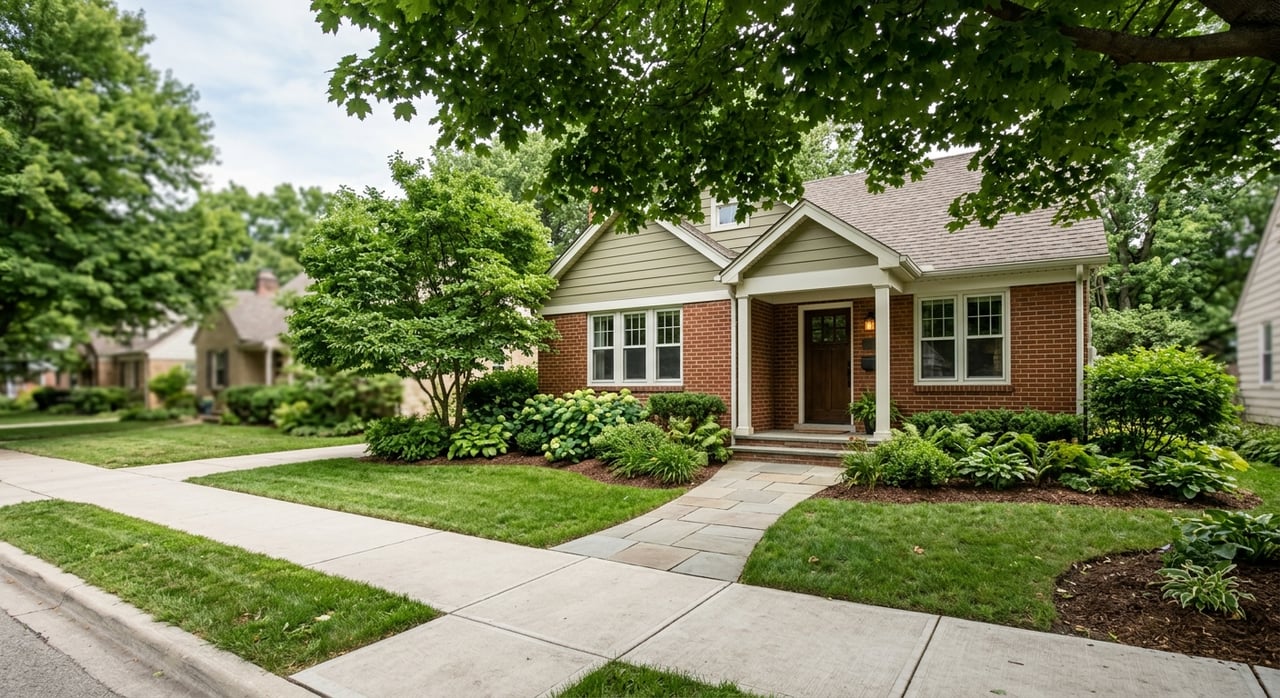
That history still shapes what buyers see today. Elmhurst’s resident guide specifically highlights classic Chicago-style bungalows, and the city’s planning documents emphasize preserving architectural character. At the same time, newer construction continues to attract buyers who want more modern layouts and fewer immediate repair concerns.
This is also a competitive market. Census QuickFacts lists a median value of owner-occupied homes at $545,400 and an owner-occupied rate of 79.9%, while Redfin’s March 2026 snapshot shows a median sale price of $900,000, around 45 days on market, and roughly 3 offers per home. In a market like this, choosing the right home style is about more than taste. It is about daily function, upkeep, and resale appeal.
What New Builds Offer in Elmhurst
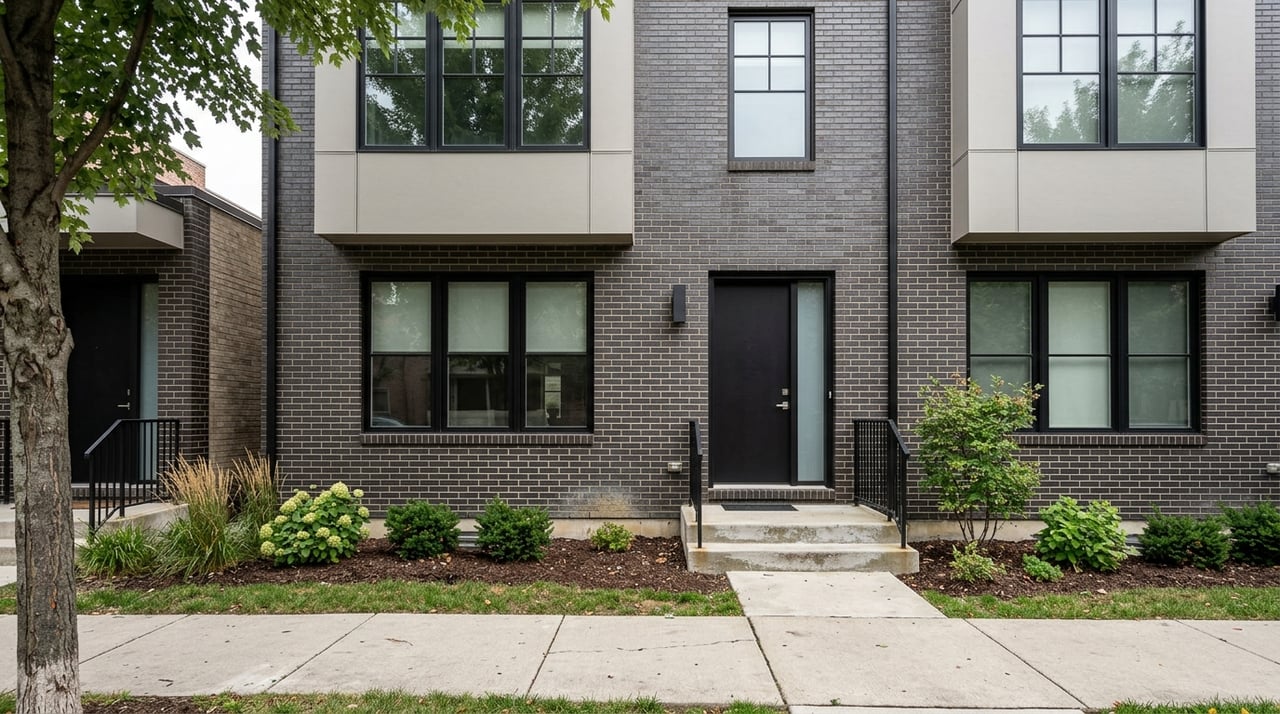
New construction in Elmhurst often appeals to buyers who want a more turnkey move. Current listing patterns commonly feature open-concept layouts, vaulted ceilings, second-floor laundry, and newer roofs, windows, and mechanicals. If you want to spend more time settling in and less time planning updates, that can be a big advantage.
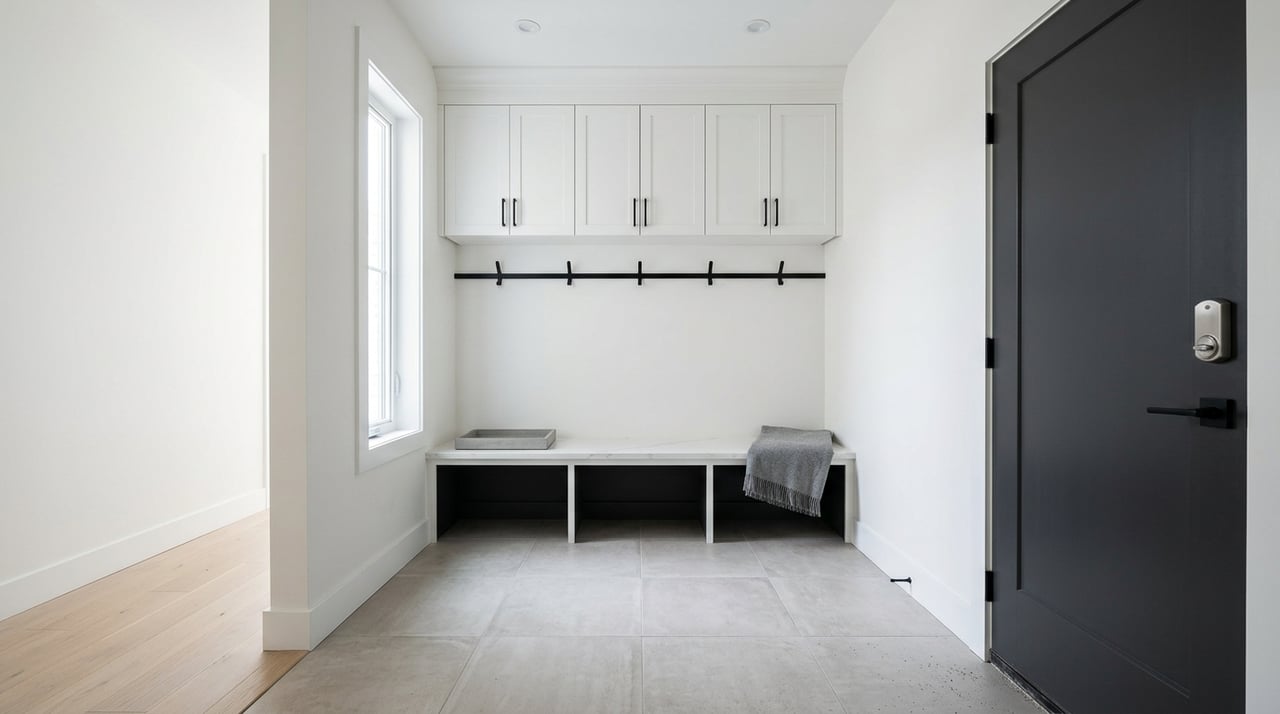
A newer home can also solve practical lifestyle needs more easily. Open gathering spaces, mudroom flow, home office space, and laundry in a more convenient location are the kinds of features many buyers want right away. For busy households, that day-to-day ease can matter just as much as the finishes.
In Elmhurst, though, new construction is not only about getting the latest design trends. City planning documents make clear that new development is expected to fit the surrounding block, with attention to setbacks, lot coverage, materials, rooflines, garage placement, and tree retention. That means the best new builds are usually the ones that feel well-matched to their setting, not just oversized or flashy.
Best reasons to choose a new build
- You want a more turnkey home with fewer near-term projects
- You prefer modern layouts and newer systems
- You value features like second-floor laundry, open living areas, and updated windows and roofing
- You want a home that may require less immediate maintenance planning
Why Classic Homes Still Stand Out
Older homes remain a major part of Elmhurst’s identity, and for many buyers, that is exactly the appeal. The city’s planning documents describe architecturally rich buildings as an important link to Elmhurst’s past. If you love character, mature landscaping, and a more established neighborhood feel, classics often deliver that in a way newer homes cannot fully copy.
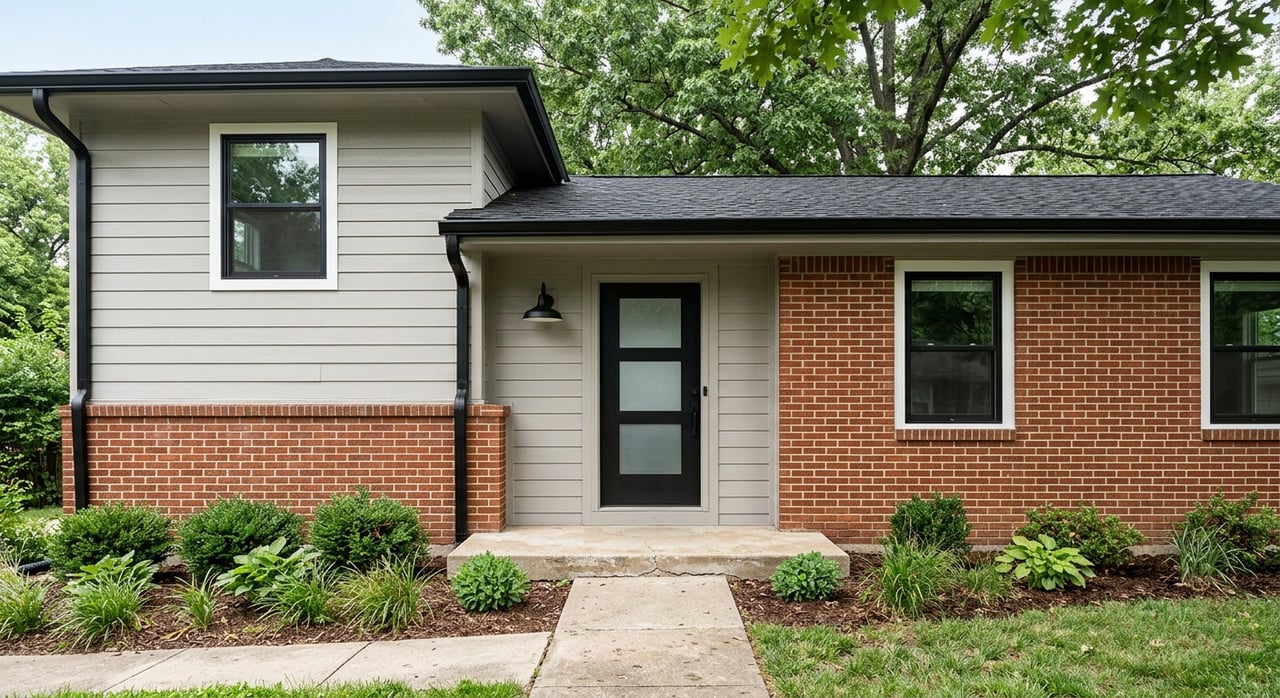
A traditional bungalow or older detached home can also feel more distinctive from one property to the next. You may find original details, deeper lots, or a floor plan with more separation between spaces. For buyers who value personality and a sense of place, those traits can be a real draw.
That said, charm usually comes with more responsibility. The 2026 housing report notes that some older homes need modifications for aging in place, while some starter homes face teardown pressure if they are expensive to maintain or bring up to code. In practical terms, that means you should look closely at both the beauty and the systems behind it.
Best reasons to choose a classic home
- You want architectural personality and older-home charm
- You appreciate mature landscaping and established streetscapes
- You are open to renovation or thoughtful updates over time
- You want a home with a more traditional feel and local character
The Real Trade-Off: Convenience Versus Character
For most buyers, the decision comes down to one core question: do you want convenience now, or character with more hands-on ownership? Neither answer is better across the board. It depends on your time, budget, patience, and goals.
A new build usually offers fewer early repair surprises. An older home may offer more personality, but it can also bring more diligence around plumbing, electrical, drainage, insulation, or layout limitations. If a home has been added onto or reworked over decades, it is especially important to understand what was updated and whether the work was properly permitted.
This is where honest self-assessment matters. If you enjoy planning improvements and can look past cosmetic imperfections, a classic may feel rewarding. If you want a smoother move with fewer unknowns, a newer build may be the better fit.
Questions to Ask About Any Elmhurst Home
Before you fall in love with either style, it helps to ask a few local, practical questions. In Elmhurst, zoning, permitted work, and drainage can all affect how a home functions today and what you can do with it later.
Ask these on every tour
- Which residential zoning district is the home in?
- Are there any setback, lot-coverage, or nonconforming issues that could affect future additions?
- What major updates have been permitted, and can those permits be reviewed?
- Is there any history of standing water, drainage problems, or stormwater work?
Elmhurst’s zoning framework includes R1, R2, and R3 residential districts, with R2 described as the most common residential district. That matters if you are thinking ahead about additions, garages, or exterior changes.
What to Check in Older Elmhurst Homes
With classic homes, the big question is not just how the house looks. It is how well it has been maintained and whether the layout still works for modern living. A beautiful older home can be a smart buy, but only if you understand the condition behind the charm.
Focus on big-ticket items first. Roof, windows, HVAC, plumbing, electrical, sewer, insulation, and drainage should all be part of your review. If those items have already been addressed well, an older home may feel much more manageable.
It is also smart to think through remodel needs early. Elmhurst’s resident guide notes that projects like basement and bathroom remodels, fences, patios, replacement windows, pools, hot tubs, and sprinkler work may require permits. The same guide also reminds residents to call JULIE before digging projects and notes a one-time stormwater management reimbursement of up to $5,000 for qualifying systems.
Key questions for classics
- What big-ticket systems have already been replaced?
- Does the layout work for how you live right now?
- Are there signs of awkward additions, low headroom, or difficult stair access?
- Would drainage, grading, or stormwater improvements need attention?
What to Check in Elmhurst New Construction
With new construction, your focus should shift from age to quality and design choices. Just because a home is newer does not automatically mean it is the best fit for your lifestyle or the block it sits on. In Elmhurst, local planning guidance makes that especially important.
Start by looking past surface finishes. Ask which features reflect true build quality and long-term usability versus finish-level upgrades. Stone counters and stylish lighting are nice, but floor plan function, window quality, and how the home sits on the lot often matter more over time.
It also helps to think beyond today. A new build should solve a real need, like better laundry flow, easier first-floor living, or dedicated work space. If it only feels newer but does not improve daily life in a meaningful way, the premium may be harder to justify.
Key questions for new builds
- How was the house designed to fit the block?
- How do setbacks, roofline, materials, garage placement, and trees factor into the design?
- Which features are structural quality versus cosmetic upgrades?
- Does the floor plan solve a long-term need for your household?
Which Style May Hold Value Better?
In Elmhurst, resale is usually not decided by style alone. The market data suggests buyers are paying for a combination of location, condition, and fit. In other words, the strongest resale homes are often the ones that match a clear use case and feel well cared for.
A classic home may appeal strongly to buyers who want charm, mature landscaping, and a more traditional setting. A new build may attract buyers who prioritize modern layouts and fewer immediate maintenance concerns. Both can perform well if the home is functional, well-positioned, and aligned with what active buyers want.
The local housing report also points to demand from buyers seeking walkable neighborhoods, transit access, parks, more manageable homes, and a wider range of housing options. That tells you something important: future appeal often comes from how well a home supports real life, not just how old it is.
A Simple Way to Decide
If you are still weighing both options, use this rule of thumb. Choose a newer build if your top priorities are turnkey condition, modern flow, and fewer early repair surprises. Choose a classic if your top priorities are architecture, mature surroundings, and the chance to add value through thoughtful updates.
Then take one more step. Picture the next likely buyer for the home, whether that is a move-up buyer, a downsizer, or someone who values transit and walkability. In Elmhurst, homes that balance style with usability are often the ones that stay in demand.
Buying in a market like Elmhurst takes more than spotting what looks good online. It takes a clear understanding of how a home fits your life now, what it may ask of you later, and how it may perform when it is your turn to sell. If you want help comparing Elmhurst new builds and classics with a practical, neighborhood-focused approach, connect with AC Diamond Homes LLC.
FAQs
What is the main difference between new builds and classic homes in Elmhurst?
- New builds usually offer more turnkey condition, modern layouts, and newer systems, while classic homes often stand out for character, mature landscaping, and a more established feel.
What should you ask when touring an older home in Elmhurst?
- Ask about the age and condition of the roof, windows, HVAC, plumbing, electrical, sewer, insulation, drainage, and whether past updates or remodels were properly permitted.
What should you ask when touring new construction in Elmhurst?
- Ask how the home was designed to fit the block, which features reflect structural quality, and whether the layout truly improves daily living for your long-term needs.
Does Elmhurst zoning matter when choosing between a new build and a classic home?
- Yes. Zoning district, setbacks, lot coverage, and any nonconforming issues can affect future additions or exterior changes, so they are worth reviewing before you buy.
Which type of home may have better resale appeal in Elmhurst?
- Both can have strong resale appeal if they offer the right mix of condition, usability, and location, since Elmhurst buyers often value fit and function as much as style.